Table of Contents
If you're grieving, remember this: your despair mirrors the deepness of your connection. It's not something to "get over" yet rather to move through, lugging your love and memories onward right into a life that, while permanently transformed, can still hold significance and happiness.
Pain is a natural psychological response to loss. Grieving is a process that can help you come to terms with a loss, such as when a liked one dies. Every person experiences pain in different ways. Your experience of sorrow and how you deal with it will certainly depend upon various factors. These may include your age, previous experiences with grief and your spiritual or religious sights.
Awaiting grief implies sensation unfortunate before the loss occurs. As opposed to regreting for the person, who is still with you, you might really feel sorrow for the important things you will not obtain to do together in the future. When encountering a substantial loss, such as the fatality of an enjoyed one, it is natural to really feel many solid feelings.
This does not imply you have actually given up on the person or that you do not care for them. People diagnosed with an incurable health problem and those facing the death of a loved one might experience awaiting despair. If you have been identified with an incurable health problem, you might experience lots of emotions including shock, worry and sadness.
Cultivating a Career of Authentic Fulfillment in Los Angeles
You regret shed opportunities or experiences you'll miss even small ones, such as the pleasure of the sunlight or a warm mug of coffee. If a person you love is dealing with an incurable ailment, it is usual to experience anticipatory sorrow in the months, weeks and days prior to death. You could regret the very same things your liked one is grieving, or different losses entirely.
You may feel anticipatory sorrow If your loved one is confused or subconscious for a very long time (e.g. with ecstasy or dementia). You might feel that the person you recognized is currently gone, even if they are still literally there. If your loved one has a decrease in physical wellness or flexibility, you might feel anticipatory pain as you lose the chance to share experiences, such as pastimes, holidays or occasions.
This is especially true if you invest a lot of time looking after the individual. You might miss out on tasks you used to take pleasure in with each other and really feel despair regarding the adjustment in your connection. The nature of your partnership may transform as you tackle a carer's duty, or end up being the one being taken care of.
Feelings of grief prior to death are typical it's crucial to recognise them, and to talk concerning them. Experiencing awaiting pain doesn't necessarily suggest that you will certainly regret your liked one any type of much less after they are gone.
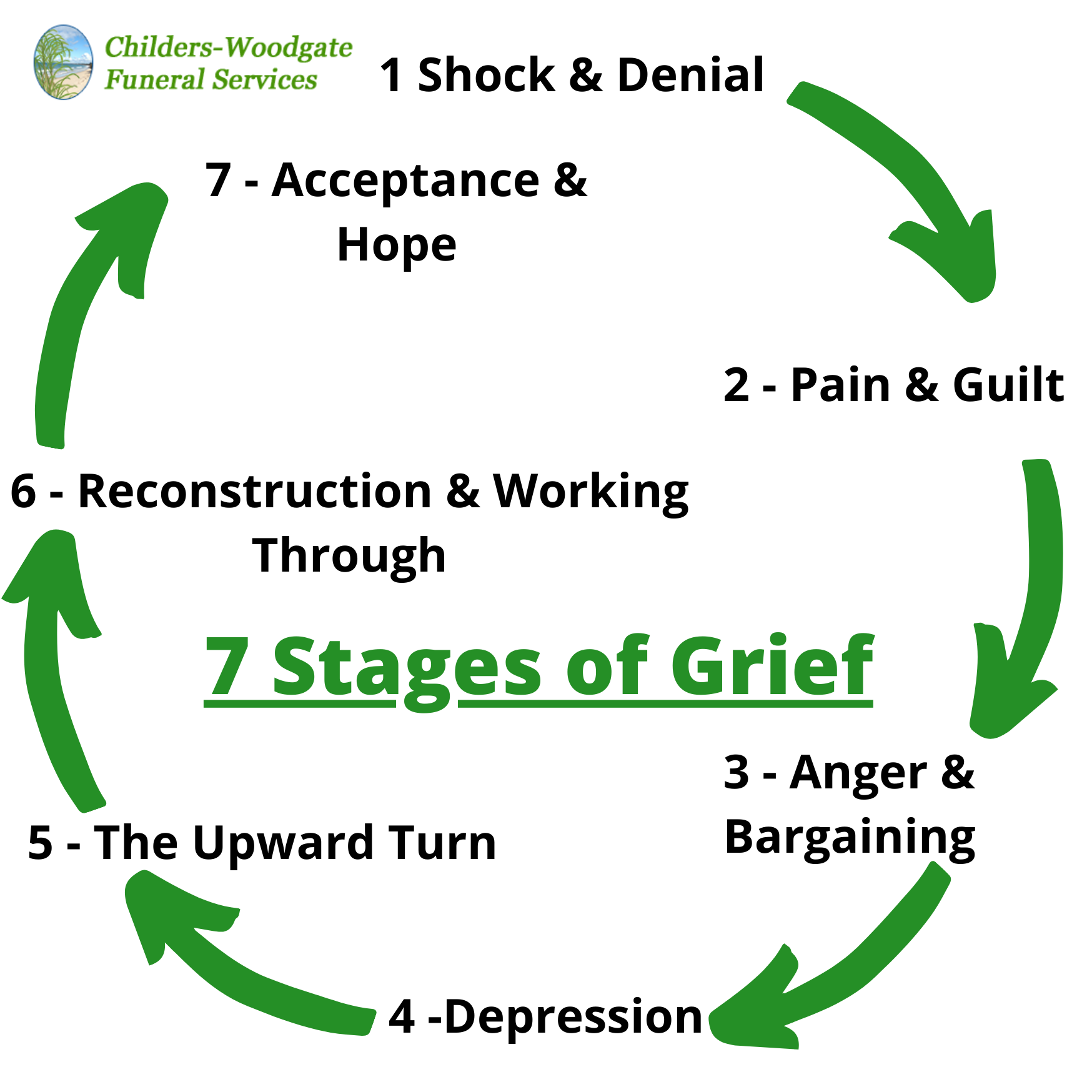
Individuals speak about the five phases of pain as: rejection temper bargaining depression approval. In truth, we do not experience feelings of despair one at a time or in a particular order. We understand that there are no arrange that everyone goes via. You may experience these things because they are all typical sensations of despair.
It's typical to really feel other points too, such as shock, anxiousness, fatigue, or shame. Some individuals feel numb after the death of an individual they appreciated. They may also attempt to continue as though nothing has actually occurred. If you experience this, it might be because it's just as well difficult to believe that the person you know so well is not coming back.
Emotional Capacity: Widening Your Resilience Through Narrative Therapy
Maybe they promise themselves that they will currently always do (or otherwise do) something, thinking that it might make the individual that has actually died returned. Or maybe they believe it will certainly quit anyone else dying or other negative things occurring. This is occasionally called 'wonderful reasoning'. Individuals may also locate that they keep going back over the past and ask great deals of 'what if' concerns, desiring that they could go back and alter points to ensure that they might have transformed out differently.
These feelings can be extremely extreme and agonizing, and they may come and go over lots of months or years. Most individuals locate that unpleasant feelings like this ended up being less solid over time. If you do not feel this holds true for you, then you need to ask for assistance.
Her model ended up being commonly approved as a method to recognize grief, but over time, sorrow counsellors and researchers expanded upon it, resulting in the advancement of the. This prolonged design incorporates added psychological feedbacks that individuals might experience: The preliminary response to loss often brings shock and shock. This phase functions as a protective device, enabling us to soak up the fact of our loss in workable dosages.

As the shock discolors, deep emotional pain collections in. Sensations of remorse or regret may arisewondering if you might have done something in a different way, or feeling sadness over things left unspoken. It's vital to acknowledge these feelings instead of subdue them. Despair can materialize as angertoward on your own, others, and even the person that has actually passed.

Navigation
Latest Posts
Identifying OCD?
Comprehensive DBT: Developing Emotional Intelligence for Relationships
Specialized Interventions for Individual Special Needs