Table of Contents
By observing you with time, and coming to recognize you, a therapist will just much better be able to explain what they witness or make interpretations of what these habits or ideas could mean. As an example, a specialist could see you change the subject whenever your companion is discussed.
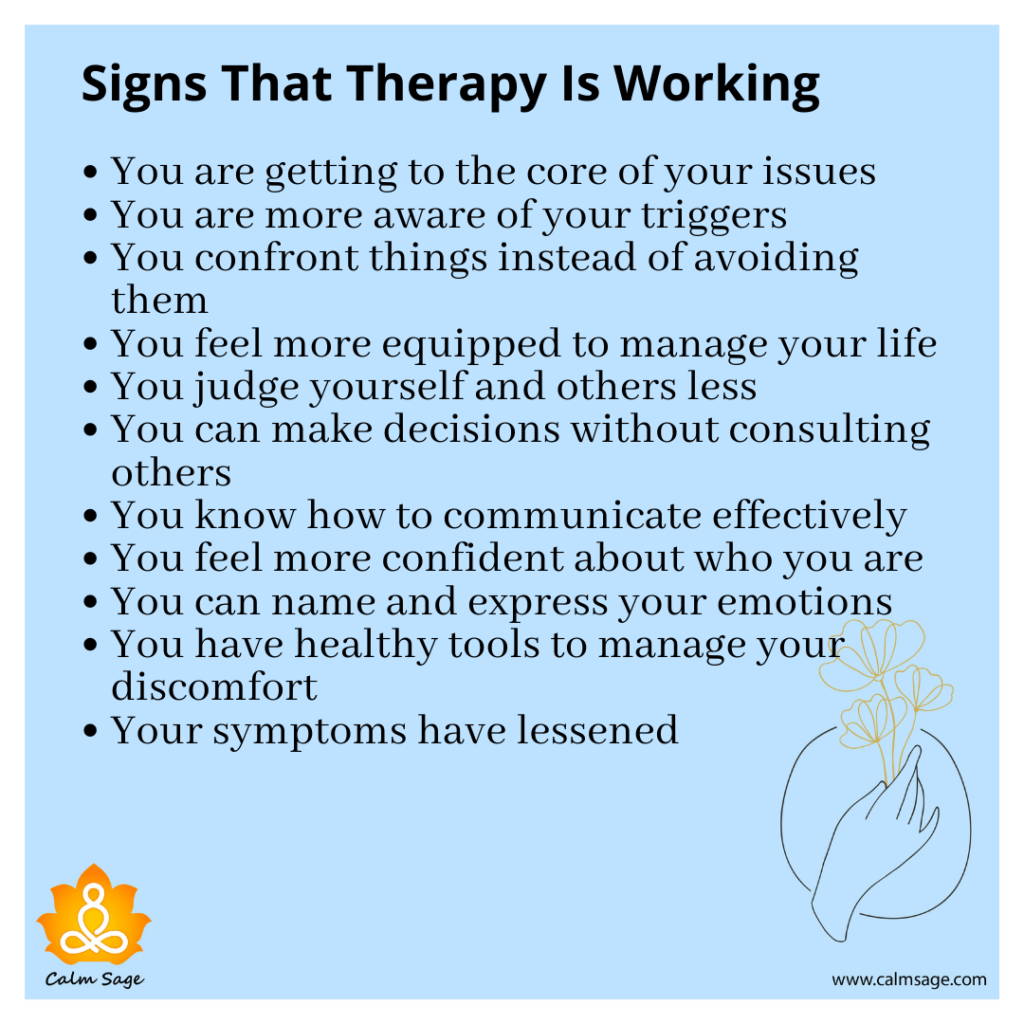
The dips or plateaus you might witness as you track your signs do not imply your progression has delayed or treatment is not working. It's more essential to pay focus to the higher trends and attempt not to worry over the information of the day-to-day changes. Various other treatment success "metrics"like establishing your self-awareness and insightare procedures that typically astonish people one of the most since they feel much less tangible.
Forging a Healthy Bond with Your Clinician
You shouldn't allow this inhibit you from continuing therapy. Completion goal for therapy is also not just to "more than happy" and never experience various other emotions, like despair or temper. Progress in therapy freely means you are allowing yourself to observe and experience all your feelings. Joy is one feeling of many.
Treatment takes time and requires a whole lot of perseverance. In the end, if you have the ability to comprehend on your own far better, to set healthy-enough limits for yourself and others, to enjoy and locate pleasure in what you carry out in your lifethen therapy was all worth it.
Evolution from Codependent Patterns
A specialist can help you recognize your patterns and improve communication and connection dynamics. Disliking pastimes or tasks can be a warning. This may be due to tension, anxiousness, depression, or other underlying issues. Treatment uses a safe space to look into these feelings and locate methods to reconnect with your passions.
A specialist can assist you comprehend your patterns and enhance communication and partnership characteristics. Disliking hobbies or tasks can be a red flag. This could be because of stress and anxiety, stress and anxiety, clinical depression, or various other underlying issues. Therapy provides a secure room to look into these feelings and discover means to reconnect with your interests.
Numerous couples I work with are pertaining to treatment for the very first time. Usually I am asked, "What should I get out of pairs counseling?" While there are lots of efficient approaches to treatment (consisting of the Gottman approach and Emotion Focused Treatment) I want to offer you a full understanding of what to expect at our Tampa bay therapy and relationship counseling method, also my share my experiences as a connection and marital relationship counselor. As a couples counselor and mental wellness professional, the main purpose of the initial session is to produce a safe space to talk about concerns in your relationship with a third-party present to moderate the conversation.
Seeking the Quality Mental Health Professional for Your Transformation
There are lots of factors couples desire to participate in treatment, whether it be a proactive technique such as finding out a brand-new ability, or pre marital therapy. Or a reactive method such as recovery from an injury within the connection (e.g., extramarital relations). Regardless of what the motivating variable in looking for assistance, couples treatment has been proven to be useful to a variety of issues partners existing.
As an example, one partner may ask that a guideline includes that one partner can speak at a time. By doing this, both celebrations are listened to and confirmed in session. I personally create a couples counseling session to uniquely to fit both people present in the partnership, and subsequently produce a treatment strategy that meets each companions needs.
Pricing Information for Clinical Care
In order for Couples counseling to work, both companions need to be eager to discuss their authentic sensations on both existing and previous experiences, be open to comments on harmful actions, and must both be encouraged to do the work. By the work, I'm referring to the emotional and behavior changes that are called for (by both companions) in order to see favorable change.

Navigation
Latest Posts
Identifying OCD?
Comprehensive DBT: Developing Emotional Intelligence for Relationships
Specialized Interventions for Individual Special Needs